A Career in Music: Why It's Worth Thinking About and Where to Start
By Corinne Hope5 min read
Updated
A career in music is worth thinking about, and it isn't only for the child who wants to be famous. People earn a living from music as performers, producers, sound engineers, teachers, games composers and music therapists, among much else. This post is for the teacher whose pupil, or whose pupil's parent, says "I want to do music when I grow up": what to tell them about the jobs, the money and the routes in, and a 20-minute conversation that ends with three next steps.
The jobs a career in music can lead to
Most music jobs aren't on stage. Here's a rough map you can share with a family:
- Performers play in bands, orchestras, choirs, theatre pits and function bands, or as session musicians on other people's recordings.
- Composers and songwriters write for artists, film, TV, adverts and video games.
- Producers and sound engineers record and mix music in studios, and live sound crews make concerts and shows work.
- Teachers work in classrooms, or teach instruments in schools, often for a music hub.
- Music therapists use music and sound to improve people's emotional wellbeing. They train at postgraduate level, on an approved course or a Level 7 apprenticeship, and must be registered with the HCPC to call themselves music therapists.
- Managers, promoters, publishers and record labels run the business side, along with radio stations and arts organisations.
- Instrument makers, repairers and piano tuners keep everything working.
The government's National Plan for Music Education (2022) says teachers and parents too often worry that music is "an uncertain industry", and that more needs to be done to show music careers can be "sustainable and rewarding". Both halves are true. Many musicians have what's called a portfolio career: several jobs at once, such as teaching three days a week, playing at weekends and writing in between. That suits some people very well and others not at all, so say so plainly.
The routes in, starting at primary school
Nobody needs to decide anything at ten. What a primary-aged child needs is to keep making music and get a bit better each year. These are the usual routes, roughly in the order a child meets them.
- Lessons. In England, primary schools are expected to offer whole class or group instrumental lessons, usually in KS2. After that come small group or individual lessons, in school or outside it, often through the local music hub. Our post on reasons to learn to play an instrument covers the costs and the help available.
- Ensembles and choirs. School choirs and bands come first, then hub ensembles outside school hours. Further on there are regional and national youth ensembles, many of which offer subsidised places.
- Graded exams. They're useful for structure and motivation, and the higher grades (6 to 8) carry UCAS points. But they aren't required for a music career.
- School music. Choir, bands and shows in primary and secondary, then GCSE Music, A level or vocational qualifications such as music technology.
- Specialist training for the very committed. Junior departments of conservatoires offer advanced training alongside school, and the government's Music and Dance Scheme gives means-tested help with fees, after an audition, at specialist music schools and Centres for Advanced Training, for children from age 8.
- Further study. Conservatoires, universities and colleges offer courses in performance, composition, music technology, production, music business and teaching.
- Apprenticeships. In England there are apprenticeships on the technical side, such as Creative Industries Production Technician (Level 3) and Assistant Recording Technician (Level 4), listed on the National Careers Service's studio sound engineer profile.
A 20-minute conversation that ends with three next steps
When a child tells you they want a career in music, a short planned chat helps more than a speech. Do it with the child, and with a parent if you can, at parents' evening or after school.
- Ask what they love about music, and listen for which part it is: performing, writing songs, the technology, or helping other people make music. Say: "If you could do one music thing all day, what would it be?" (5 minutes)
- Name two or three jobs that match. A child who loves making beats should hear the words "producer" and "sound engineer" (3 minutes).
- Say what they can do now, at their age: join the choir, start lessons, write a song, record something (5 minutes).
- Agree three next steps and write them down: one for this term, one for this year and one for next year. For example, join the choir, start lessons through the hub, then join the hub's junior band (5 minutes).
- Give the family one place to look. The gov.uk page on what the National Plan for Music Education means for children lists the support available, from youth ensembles to help with costs (2 minutes).
For a KS1 child, keep it simple: keep singing, join anything musical the school runs, and try an instrument when the chance comes. For KS2, the written steps matter more, because lessons and ensembles have start dates and sign-up letters that are easy to miss.
What gets in the way
The child who only wants to be famous. Ask what they'd like to do on the day of a concert, in the studio or when writing a song. Often "famous" means "I love performing", and that's something to build on.
The family who can't afford lessons. Start with what's free: whole class lessons, the school choir and any help your hub offers. Children in care can't be charged for music tuition at school.
The child who hates practising. That's normal, and it isn't a sign they're not musical. Short, regular practice and a teacher who knows them help more than a talk about careers.
The parent who says "get a proper job". Show them the range of jobs above, most of them off stage, and the routes that don't depend on being a star.
If your class would enjoy seeing these jobs in action, our KS2 careers in music lesson walks them through everyone who makes one song happen, and the careers in music display posters give the jobs a place on your wall. For a child who loves writing songs, our free chorus-writing lesson is a good first step this week, and for one who loves the technology, try the free Three Little Birds GarageBand lesson.
Resources to try
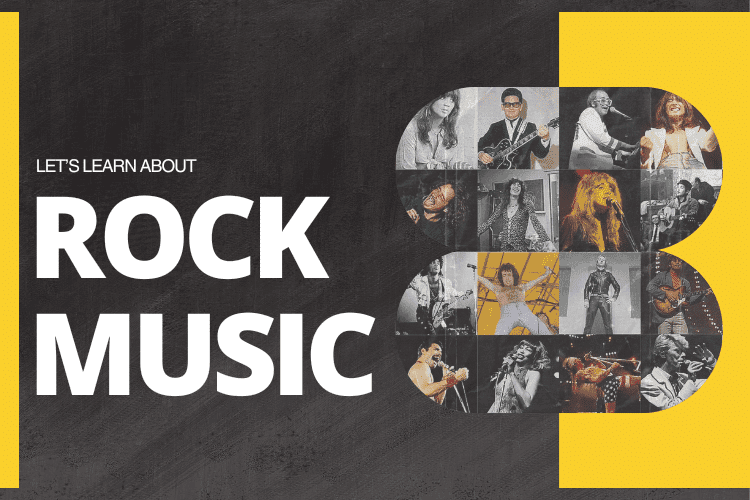
Let’s Learn About Rock Music!
PowerPoint
A PowerPoint about rock music: where it came from, the bands that shaped it, and why it still matters, ready to teach from the board.
 Free
Let’s Learn About Pop Music!
PowerPoint · Ages 8 to 10
A PowerPoint about pop music: where it came from, how it has changed, and why it matters to so many people.
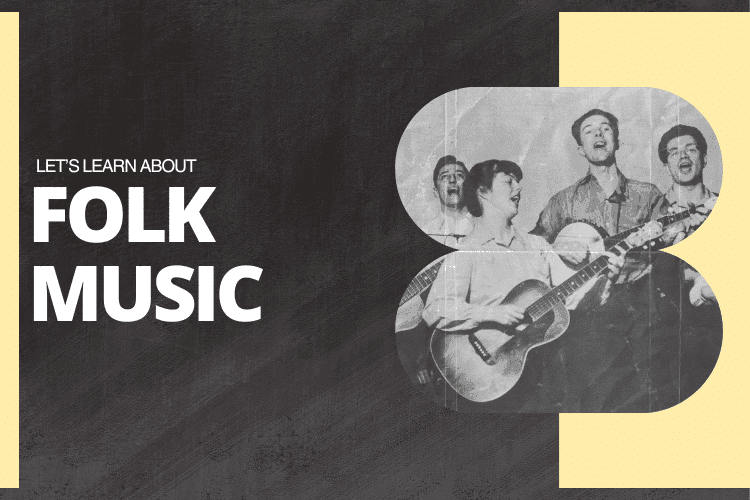
Let’s Learn About Folk Music!
PowerPoint
A PowerPoint about folk music: old tunes, songs that tell stories, and why they have been passed down.
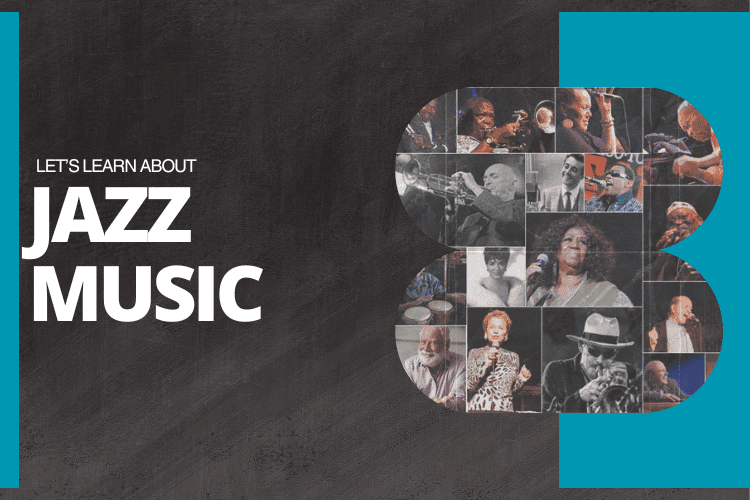
Let’s Learn About Jazz Music!
PowerPoint
A PowerPoint about jazz: improvising, swing rhythms and the difference jazz has made to music.