5 Easy Music Lesson Ideas for Supply Teachers
By Corinne Hope5 min read
Updated
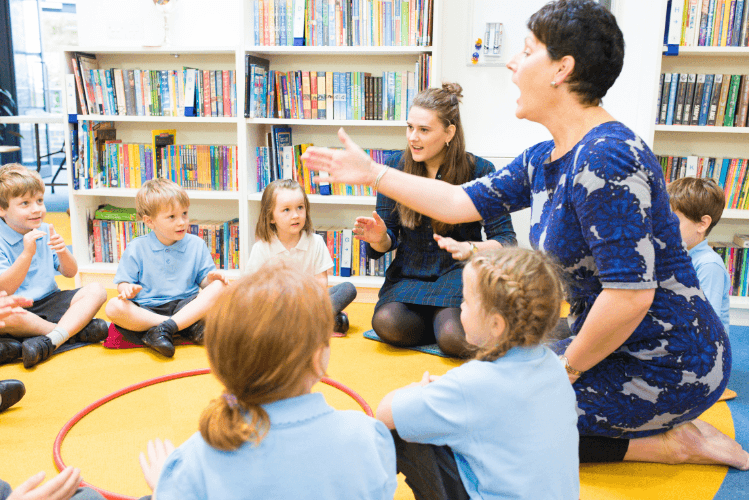
The timetable says music after lunch and there's no plan, or the plan says to carry on with an online scheme you can't log in to. These five easy music lesson ideas for supply teachers need no instruments, no prep and no music reading, and they work from Reception to Year 6. Each takes about ten minutes, so pick three for a half-hour slot, or do all five for an hour. They're in an order that works, and the first one helps you learn names.
Before you start: agree a stop signal
Ask the class if they already have a signal for stopping. If they do, use theirs. If not, clap a short pattern, teach them to clap it back and then freeze with hands on knees, and practise it twice. It's the most useful minute of the lesson.
Music lesson ideas for supply teachers that need nothing
1. The name game (10 minutes)
Sit in a circle and get everyone doing a steady pattern: pat knees twice, clap twice. On the pats you say your name, and on the claps the class echoes it. Then go round the circle, each child saying their name on the pats while everyone echoes on the claps. Tell them, "Keep the pattern going. Nobody stops for a name."
In KS1, drop the claps if the pattern's too hard and just echo the names. In KS2, add a favourite food after the name, or say it in a voice that shows a feeling. If a child doesn't want to say their name, let them pass and come back to them, or let a friend say it. By the end you'll know most of the names, which helps for the rest of the day.
2. Don't clap this one back (10 minutes)
Clap short patterns and have the class echo them. Then announce the rule: there's one pattern they must not clap back. Make it the rhythm of the words "Don't clap this one back", and clap it for them twice so they know it. Mix it in among the others. Anyone who claps it stands up, and stays in the game.
KS1 need the forbidden pattern to sound very different from the rest, so add a stamp at the end of it. KS2 can take it faster, and a child can lead. Standing up instead of being out means nobody sits doing nothing for ten minutes.
3. Rainstorm (10 minutes)
This is body percussion that sounds like weather. You start a sound and it travels round the circle: each child joins in when the child before them does, and keeps going until the next sound reaches them. The sounds go in this order:
- rubbing hands together for drizzle;
- clicking fingers for light rain;
- patting thighs for heavy rain;
- stamping feet for the storm;
- back through each sound in reverse, ending in silence.
Say, "The storm is only as loud as my hands say." Lots of young children can't click their fingers yet, so let them tap two fingers on a palm instead. In KS1, do each sound all together, copying you, rather than passing it round. In KS2, pass it round without a word spoken, then let a child conduct.
4. Guess the song (10 minutes)
Clap the rhythm of a song everyone knows, without singing. "Happy Birthday" is a good first one. The class guesses. Then hum one. Then children take turns in pairs, one clapping and one guessing. Finish by singing the last song all together.
KS1 do best with nursery rhymes such as "Humpty Dumpty" or "Baa, Baa, Black Sheep". KS2 will want pop songs, which is fine for clapping and humming. The one rule is that it has to be a song the whole class knows.
5. Conduct the class (10 minutes)
The class hums one note, or chants a word like "pizza" again and again. You conduct: hands far apart means louder, close together means quieter, and a closed fist means stop. Then children take turns as conductor.
In KS1, stick to louder, quieter and stop. In KS2, add speed (fast hands mean faster chanting) and split the class into two groups with different words, so the conductor brings each group in and out. The first child conductor will usually go for maximum volume, so say beforehand that loud means a big voice, not a shout.
What to leave in the note for the class teacher
A good note is short and specific. Say what you did and which music skill it practised, who did well, who found it hard, and anything that didn't happen. Something like this:
Music: no plan left, so we did the name game (steady beat), Rainstorm (body percussion, loud and quiet) and Guess the Song (rhythm). Most of the class kept a steady beat by the end. [Names] led Rainstorm really well. [Names] found the clapping hard. No instruments used.
If there was a plan and you couldn't follow it, say why (no login for the online scheme, for example), so nobody's surprised. And write down the music words you used, such as beat, rhythm and dynamics, so the class teacher can pick them up next week.
If there's time left over, or a screen
If the lesson runs short, do Rainstorm again with a child conducting. If there's a board, two free PowerPoint games are good for the last ten minutes: The Genre Game, where the class names the style of each song they hear (you'll need speakers), and Zoom It In, where they name the instruments. Both use macros, which some school computers block, so open them at break to check they work. The free Clap a Rhythm sheet has five more rhythms to clap, with the counts to clap on marked in red, so you can follow it without reading the notes. All three are among the 25 resources in our free sample pack, which you can download with a free account before your next booking.
If you're booked with the same class for a few weeks, our five lesson ideas for non-specialist music teachers build from one week to the next. For more circle games like these, try our post on music games.
Resources to try
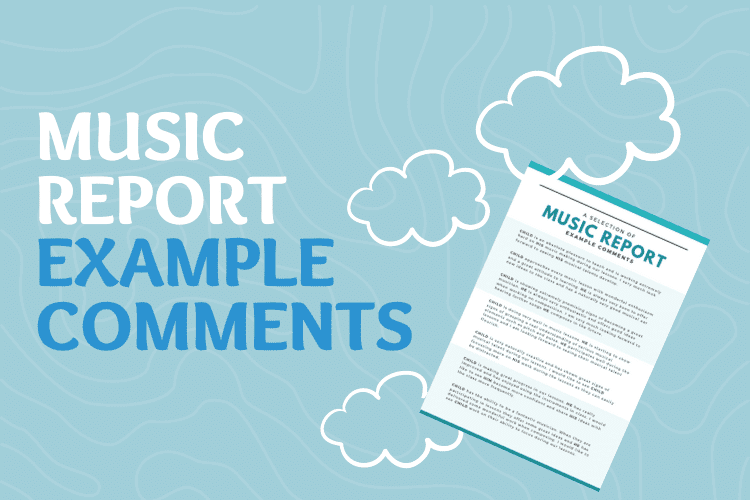
Primary Music Report: Easy Example Comments
Lesson Plans · Ages 0 to 11
Do you struggle to find the words when writing your 30th class music report?
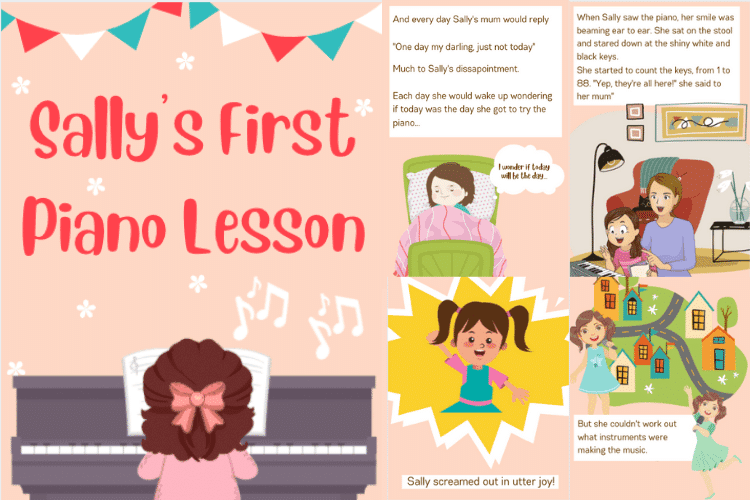
Fun KS1 Music Lesson: Sally’s First Piano Lesson
Worksheets · Ages 0 to 6
Sally is desperate to start learning the piano, but will she get too? Use this KS1 music lesson to encourage your students to try new instruments, learn facts about the piano and how playing music can boost confidence!
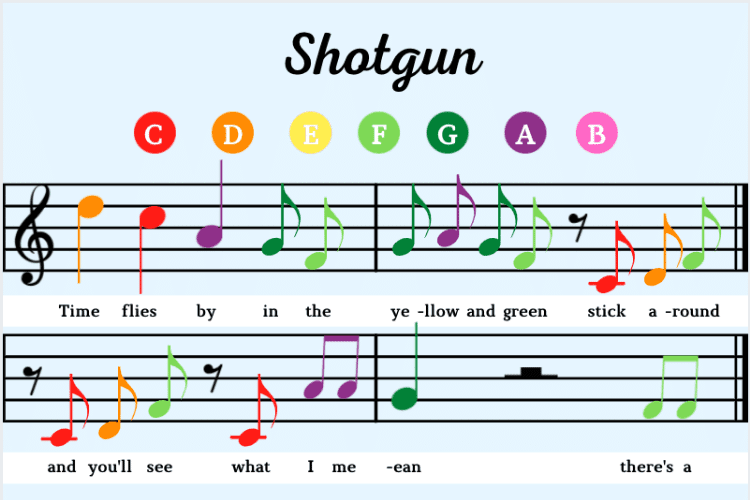
Easy Boomwhacker Sheet Music: Shotgun (KS1/2)
Worksheets · Ages 0 to 11
Test your classes ability to play and read music at the same time with this boomwhacker sheet music!
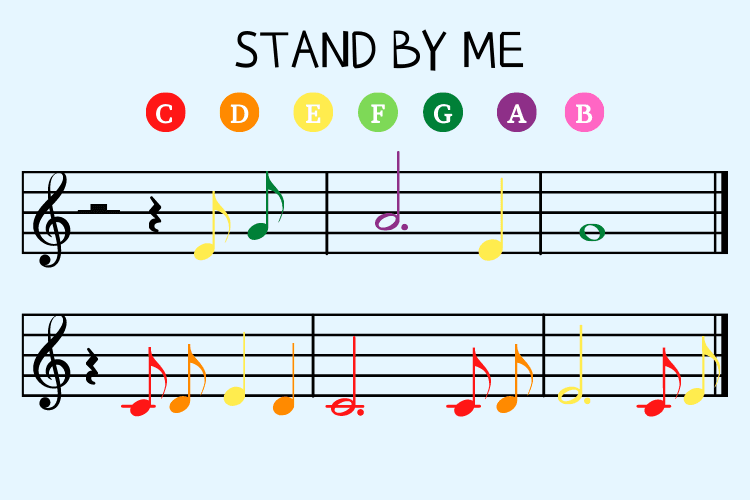
Easy Boomwhackers Sheet Music: Stand By Me (KS1/2)
Worksheets · Ages 0 to 11
Test your classes ability to play and read music at the same time with this boomwhackers sheet music!