5 Easy Lesson Ideas for Non-Specialist Music Teachers
By Corinne Hope6 min read
Updated
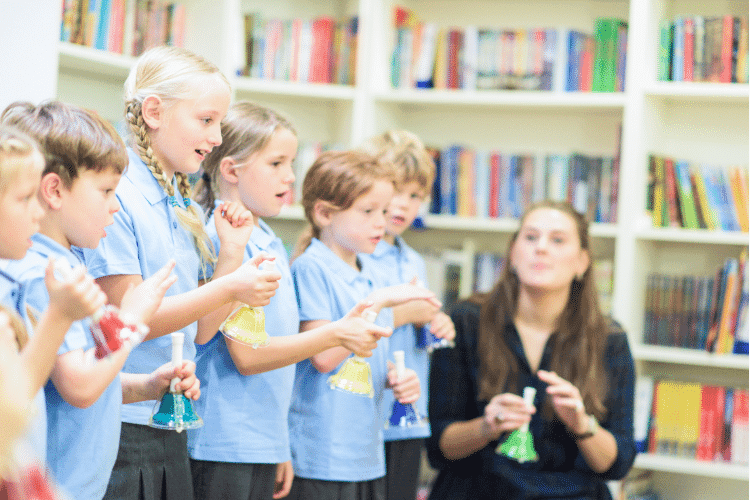
These five easy lesson ideas for non-specialist music teachers are whole lessons, not starting points. Each takes about 30 minutes, needs little or no equipment, and comes with steps, timings and what to say. Teach one a week and you've got half a term of music. If any of the words are new, our music education basics for non-specialists explains them.
Lesson ideas for non-specialist music teachers: before you start
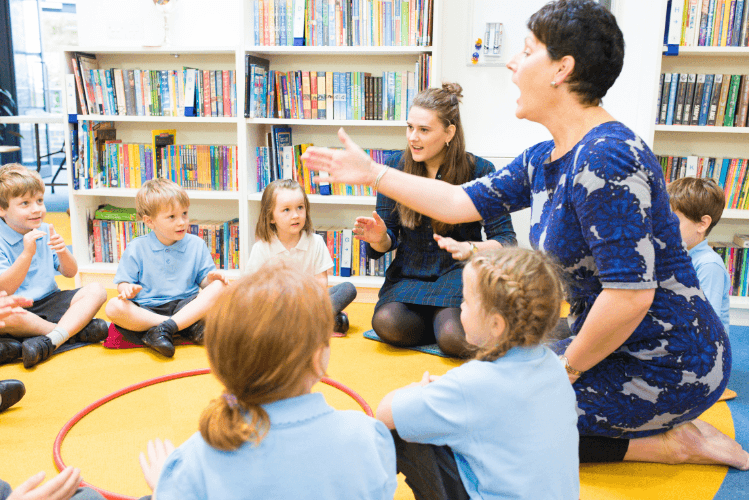
Sit in a circle if you can. Agree a stop signal before anyone makes a sound: you clap a pattern, they clap it back and put their hands on their knees. When there are instruments, they sit on the floor in front of each child while you talk, not in their hands. There's more in our post on classroom management in music lessons.
Lesson 1: find the pulse
You need a song the class knows and, ideally, a hand drum.
- Sing hello (3 minutes). Sing "Hello, everyone" on two notes, high then low. The class sings "Hello" back.
- Copy my beat (5 minutes). Pat your knees in time to the song and move the beat every eight beats: shoulders, head, clapping.
- Pass the beat (7 minutes). Each child claps once in turn, on the beat, so the claps travel steadily round the circle. If someone misses, keep going.
- Walk the beat (10 minutes). In the hall or a cleared space, tap the drum while the class walks in time. Speed up, slow down and stop: they freeze when the drum does.
- Sing and keep the beat (5 minutes). Half the class sings the song while the other half pats the pulse. Then swap.
Tell them, "The pulse is the heartbeat of the music. It doesn't stop and it doesn't rush." In KS1, keep the walking slow and try elephant steps and mouse steps. In KS2, stamp on beat one and clap beats two, three and four. If walking turns into running, shrink the space, or do it sitting down with fingers walking on knees.
Lesson 2: rhythms from words
You need nothing, though percussion helps.
- Echo clapping (5 minutes). Clap short patterns and the class claps them back.
- Name rhythms (5 minutes). Say and clap names round the circle, one clap per syllable.
- Food chants (10 minutes). Write "cake", "pizza" and "fish and chips" on the board and chant each one over a steady beat you pat. "Cake" is one sound on each beat, "pizza" fits two quick sounds into a beat, and "fish and chips" goes quick, quick, slow.
- Layer them (10 minutes). Give each food to a group. Start one group, add the next, then the next, bringing them in and out with your hand. Finish by saying the words in your heads and clapping them out loud.
The line for this lesson: "Rhythm is the pattern the words make. The beat keeps going underneath." KS1 can manage two groups, saying the words out loud. KS2 can manage four groups, swap voices for instruments (drums for cake, shakers for pizza) and write the patterns as stick notation. The usual problem is every group sliding into the same rhythm, so start each group on its own first and keep them apart in the room. Our free Clap a Rhythm sheet has five patterns for the echo clapping.
Lesson 3: high and low
You need recordings of "The Elephant" and "Aviary" from Saint-Saëns' Carnival of the Animals, plus chime bars if you have them.
- Sirens (3 minutes). Voices slide from low to high and back down, following your hand.
- Listen (8 minutes). Before you play "The Elephant", ask, "Is this animal big or small? How can you tell?" It's a double bass, the lowest of the orchestra's strings. Then play "Aviary", where a flute is the bird, and compare.
- Move (7 minutes). Switch between short bits of each: elephants close to the floor for low music, birds fluttering on tiptoe for high.
- Up or down (10 minutes). Play two notes. If the second is higher, stretch up; if it's lower, crouch; if it's the same, stay still. Then let children play the notes for the class.
Keep saying, "Pitch means high or low. It isn't the same as loud." KS1 need big jumps between notes. KS2 can hear notes next to each other, then make up a three-note tune for a high creature and a low one. Our Higher or Lower game runs step four on the board if you don't have instruments.
Lesson 4: listening to In the Hall of the Mountain King
You need a recording of Grieg's piece and paper for KS2. BBC Ten Pieces has a free MP3 and a film of an orchestra playing it.
- The story (3 minutes). Trolls have caught Peer Gynt and taken him to their king's hall. He tries to tiptoe away, and they chase him.
- First listen, eyes closed (3 minutes). "Put your hand up when you think the trolls have spotted him."
- Talk (7 minutes). Ask what changed. Steer them to the two big changes: it gets faster (tempo) and louder (dynamics).
- Second listen (5 minutes). Fingers tiptoe on the table at the start (the plucked strings are Peer tiptoeing), getting faster and heavier until everyone's drumming with flat hands.
- Third listen (10 minutes). KS2 draw the music as a line across the page, thicker as it gets louder and more zigzagged as it gets faster. KS1 repeat the tiptoeing and drumming and freeze at the end.
The ending is wild, so agree before the second listen that when the music stops, hands go on heads. The words to leave them with: "Tempo means speed. Dynamics means loud and quiet. This piece changes both."
Lesson 5: learn a round
You need nothing. We'd use "London's Burning", which most classes half know already.
- Warm up (3 minutes). Yawn, sigh from high to low, hum.
- Teach it by echo (10 minutes). Sing a line and they sing it back. Then two lines, then the whole song. Add an action for each line, such as fingers for flames and a mimed hose.
- All together (5 minutes). Sing it three times, a little quieter each time.
- The round (8 minutes). Split the class in two. Group one starts, and group two starts when group one reaches the second line. Sing with group two: theirs is the harder job.
- Listen back (4 minutes). Ask, "What did it sound like with both groups going?" Thicker. That's texture.
In KS1, sing it together with actions and let a few confident singers try the round. In KS2, try four groups. What usually goes wrong is group two giving up and joining group one, so put the groups on opposite sides of the room with strong singers in group two. A child who won't sing can do the actions or tap the beat on a drum. Never make anyone sing alone.
Where to go from here
Reuse the warm-ups as starters, so the pulse games keep coming back. Our 4 Easy Singing Rounds Pack has more rounds once this one's going well, and our free sample pack has 25 resources to try. Start with Lesson 1 this week. All you need is a song and a circle.
Resources to try
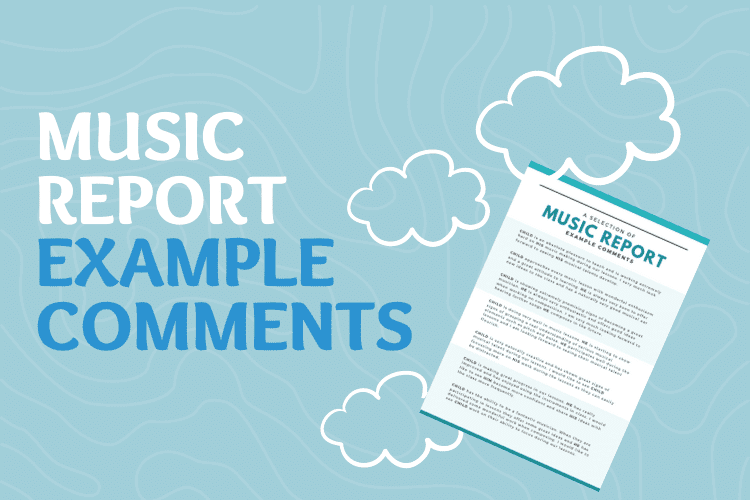
Primary Music Report: Easy Example Comments
Lesson Plans · Ages 0 to 11
Do you struggle to find the words when writing your 30th class music report?
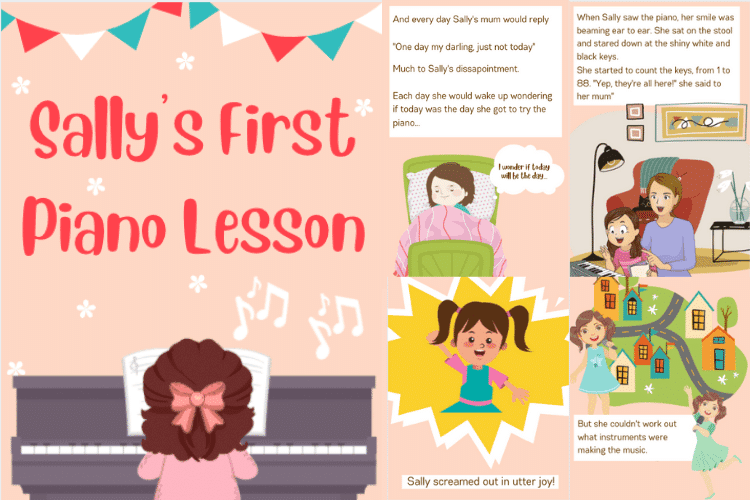
Fun KS1 Music Lesson: Sally’s First Piano Lesson
Worksheets · Ages 0 to 6
Sally is desperate to start learning the piano, but will she get too? Use this KS1 music lesson to encourage your students to try new instruments, learn facts about the piano and how playing music can boost confidence!
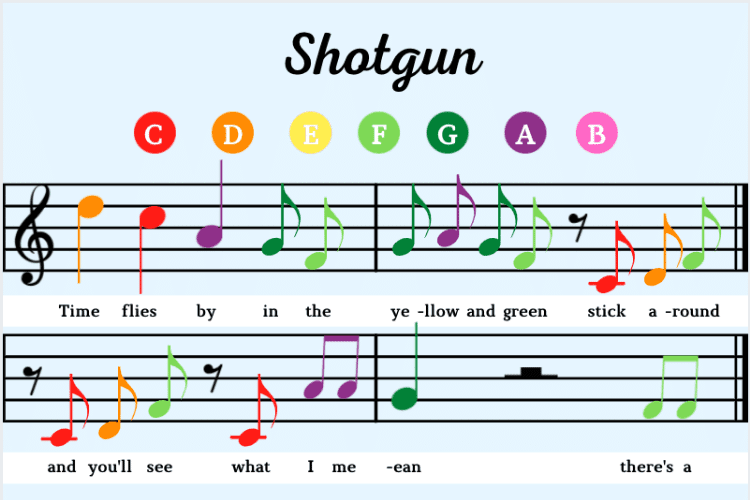
Easy Boomwhacker Sheet Music: Shotgun (KS1/2)
Worksheets · Ages 0 to 11
Test your classes ability to play and read music at the same time with this boomwhacker sheet music!
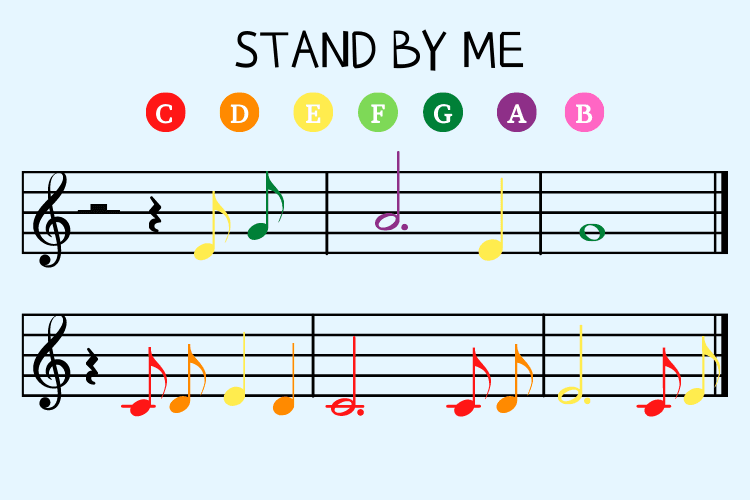
Easy Boomwhackers Sheet Music: Stand By Me (KS1/2)
Worksheets · Ages 0 to 11
Test your classes ability to play and read music at the same time with this boomwhackers sheet music!